CHI 2026

Rethinking Misinformation: A Holistic Community Model for Youth Resilience

Role

Co-author

Authors

Jason Yip, Michele Newman, Runhua Zhao, Darae Kim, Jan R. Lim, Matthew Kyle Pedraja, Swati Sachdeva, Xiaoyu Zheng, Yifang Zhou, Chris Coward, Jin Ha Lee

Read the paper
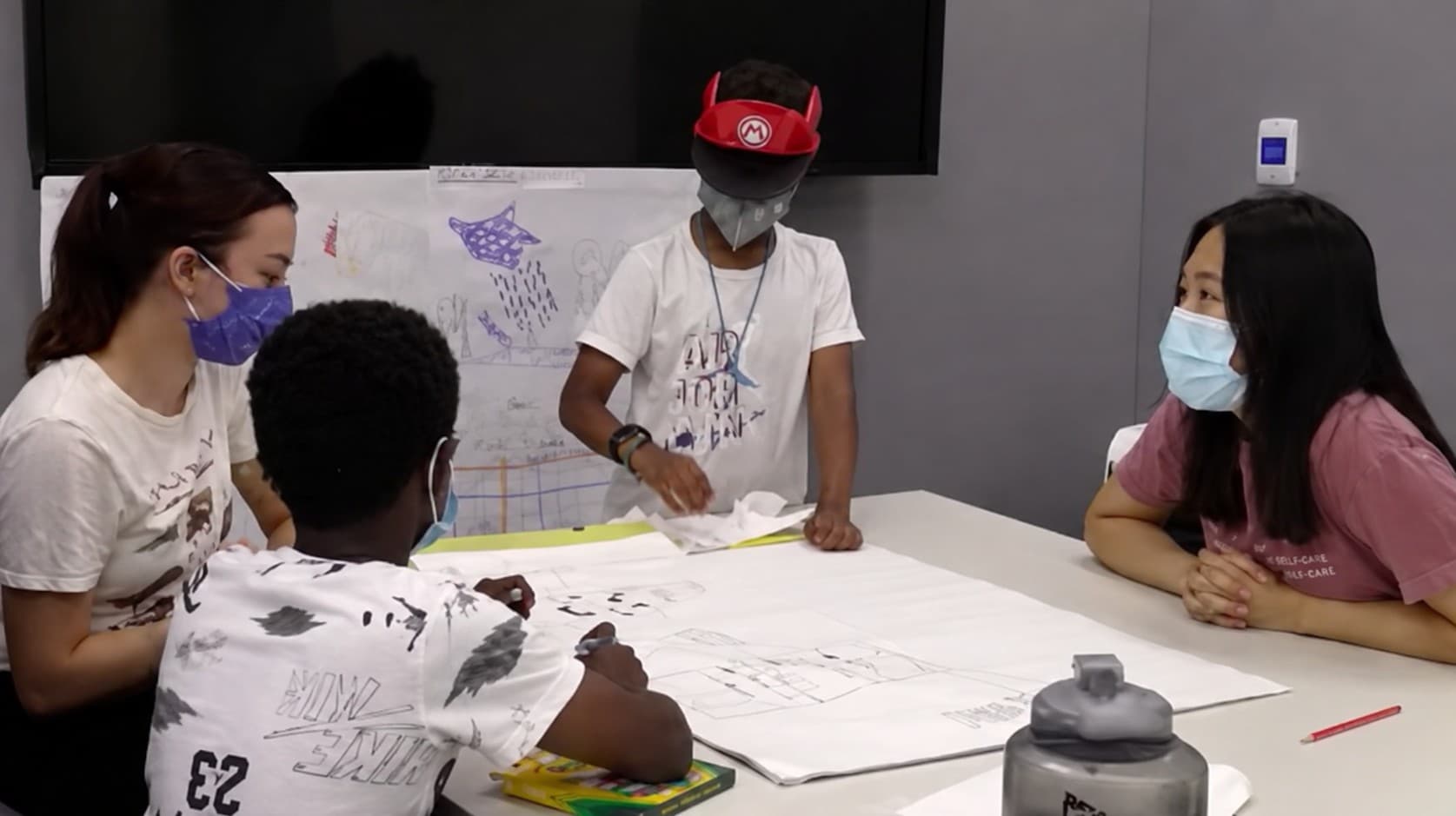
Children and adult researchers co-designing around a table covered in large sheets of paper
Children and adults co-designing mis/disinformation concepts across the WeDesign and WeLibraries teams.

Overview

Most digital media literacy research treats misinformation as a purely cognitive problem: teach children to reason better, and they'll spot the fake. But critics argue this framing neglects the social, emotional, and cultural contexts in which mis/disinformation is actually created and spread — the peer pressure, the parasocial trust in influencers, the financial incentives baked into platforms.

This study expands beyond the cognitive model by examining how children conceptualize mis/disinformation through socio-emotional learning (SEL) and sociocultural (SC) lenses. Over a 2.5-year period, we conducted 26 co-design workshops with children ages 6–11, letting them articulate how misinformation feels and circulates in their world — not just how it's identified.
26

co-design sessions

3

intergenerational teams

2.5 yrs

study duration

Method

We used Cooperative Inquiry, a participatory design method built on equal design partnerships between children and adult researchers. Rather than testing children's literacy with pre/post measures, sustained co-design partnerships let children talk honestly about complex emotional topics over time.

01

26 sessions, three intergenerational teams

Eight sessions with a long-term university co-design team (21 children, 2022–2023) and eighteen sessions across two urban public library sites (28 children), where pre-service librarians facilitated the design work.

02

Design-based elicitation

Children co-designed play-based misinformation activities — fake viral videos, influencer skits, posters debating online claims — surfacing beliefs that interviews alone rarely reach.

Findings

Analysis surfaced six themes spanning the emotional, social, and economic life of misinformation for children:

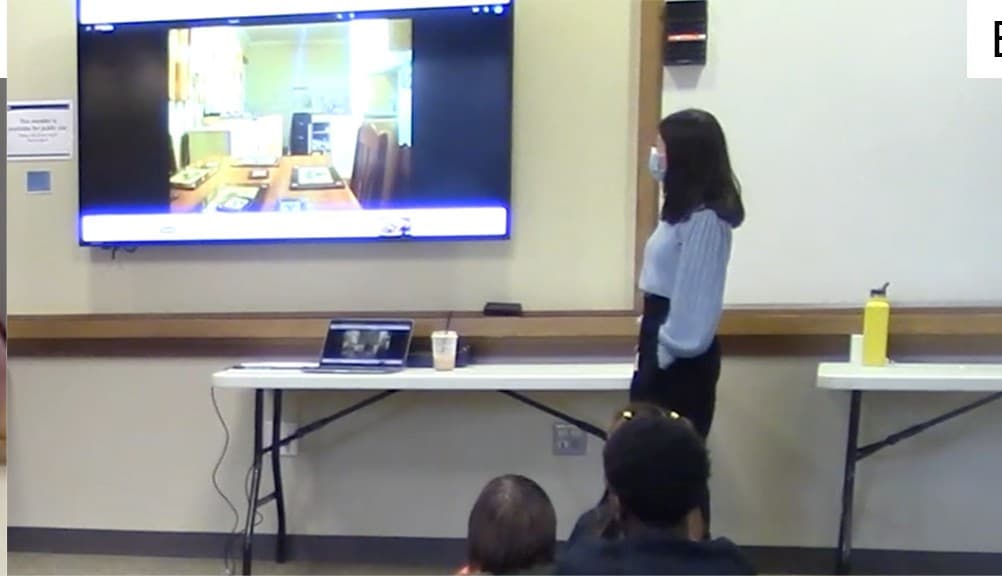
Children in a library watching and debating an online video of a ghost during a co-design session
WeLibraries children debating whether an online ghost video is real — trust, emotion, and evidence colliding in real time.
01

Empathy is the hard part

Children struggled to imagine that others could fall for claims they themselves found obviously false — a theory-of-mind gap that purely cognitive training doesn't address.

02

Social pressure shapes belief

Peer dynamics and the desire to belong influenced what children shared and endorsed, sometimes against their own judgment.

03

Fame and analytics stand in for credibility

Children used view counts, subscriber numbers, and celebrity as proxies for trustworthiness rather than source quality.

04

Children see the money

They recognized 'YouTube voice,' sponsorships, and financial ties as emotionally manipulative tactics — and satirized them in their designs.

05

Misinformation is communal

False claims circulate through family and community — even parents tell 'watermelon seed' stories — so children's trust networks are both the problem and the resource.

06

Community is where children turn

When unsure, children reached for parents, librarians, and peers rather than verification tools.

Contribution

We propose a community-based model of design for youth misinformation resilience.

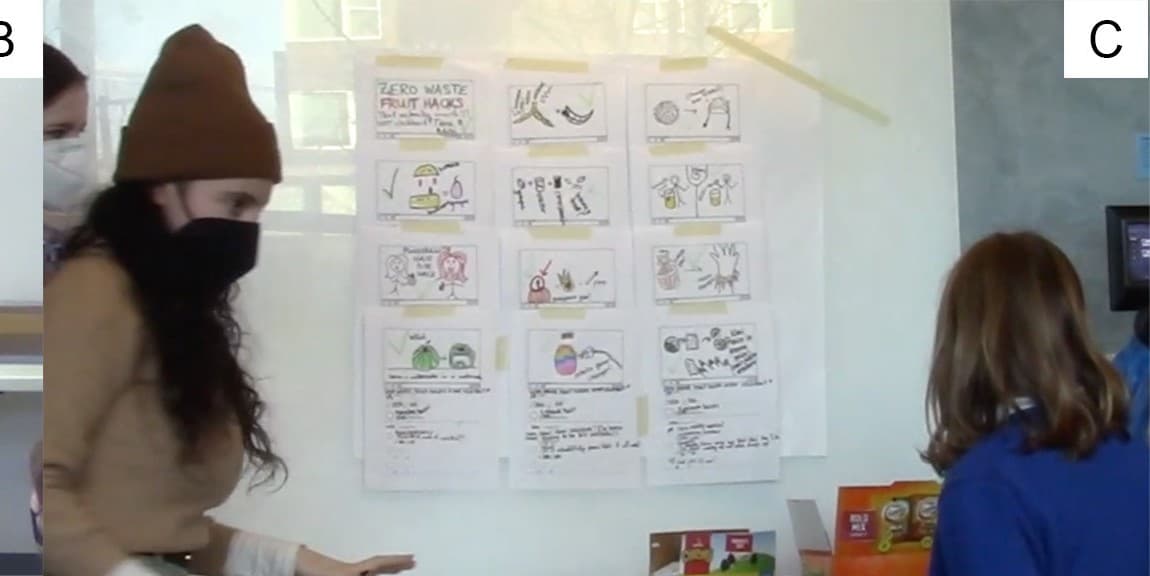
Children presenting a wall of co-designed zero fruit waste hack posters at a library
Rolling Way children co-designing zero fruit waste hacks — community sensemaking in action.
01

Beyond the individual reasoner

If conspiracy theorizing is collective sensemaking — where emotion, identity, and storytelling beat accuracy — then resilience must also be built collectively, not one fact-checker at a time.

02

Three lenses, one model

The model ties cognitive, socio-emotional, and sociocultural supports together, giving designers concrete direction for building children's epistemic resilience with their communities rather than for them.